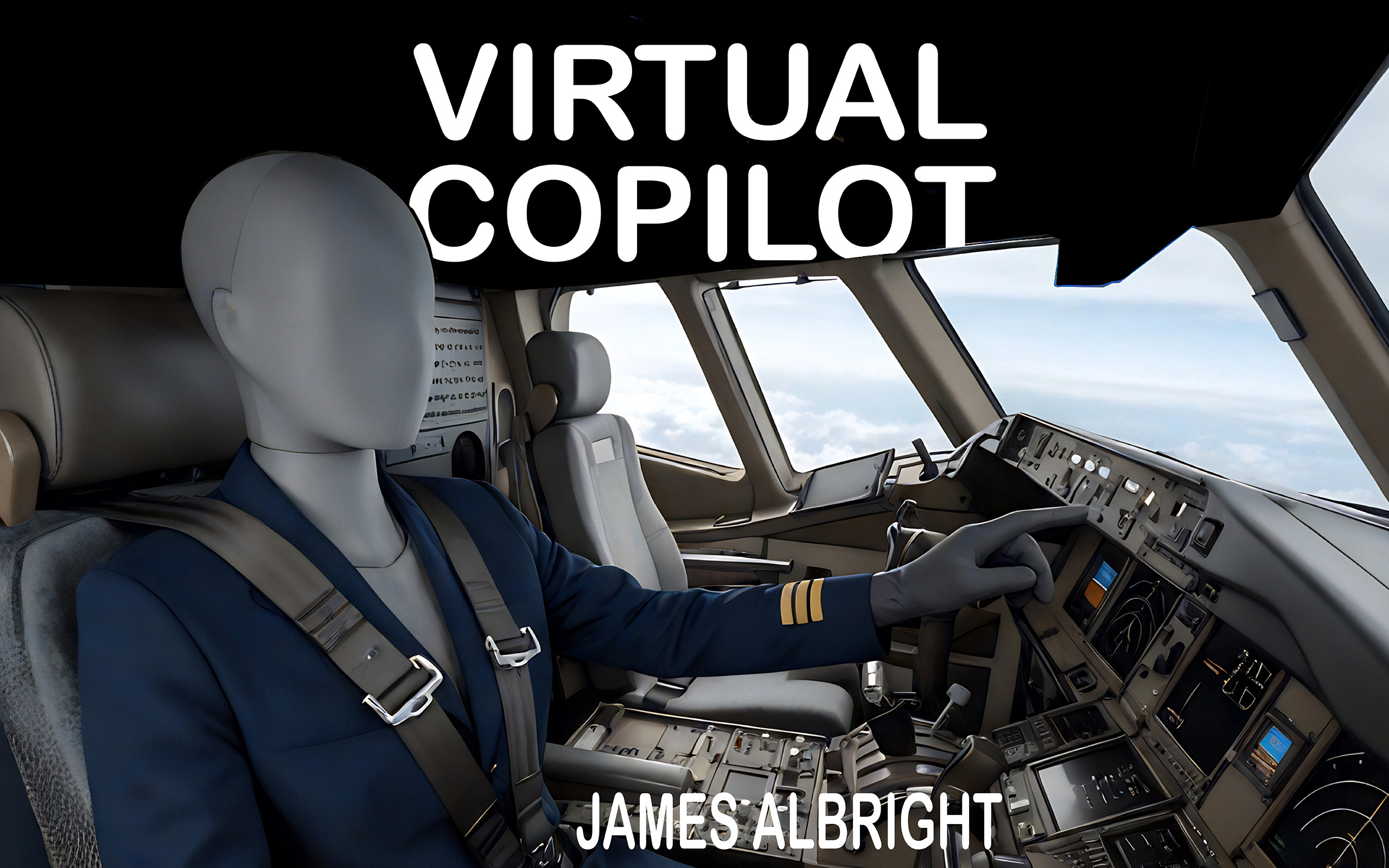
The airlines are exploring new and innovative ways to cut costs, lower ticket prices, and raise profits. With some airline captains getting paid nearly $500 per flight hour, the push to reduce the number of pilots in the cockpit continues. Modern avionics can handle the mundane “stick and rudder” chores better than human pilots. Why not replace one pilot, or more, with computers? Can a robot fly better than a human? Boeing, Airbus, and other aircraft manufacturers are exploring ways to do this. It is the future of flight.
— James Albright
Updated:
2024-04-01
My first jet, the mighty Cessna T-37B "Tweet," didn't have an autopilot, a flight director, or anything in the cockpit designed to reduce the pilot's workload. We were told that was by design — "If you can fly the T-37, you can fly anything!" — I think the real reason was the initial cost and a stubborn refusal by the Air Force to upgrade the aircraft. But, I must admit, I am the instrument pilot I am today because I had to learn the hard way.
Fast forward several decades. My last jet, the Gulfstream GVII, has no mechanical connection between the pilot and the flight controls or engines. The airplane cannot stay in the air without the fly-by-wire system but with the automation the aircraft is incredibly fast and frugal with the fuel. It has made me a lazy pilot, but it has made me look better than I am at the same time. I would hate to fly anything less. The only drawback: the automation is getting so good it will only be a matter of time before we pilots are unnecessary. Or, let me rephrase that. It will only be a matter of time before we human pilots are unnecessary.
Captain Norman Hamm
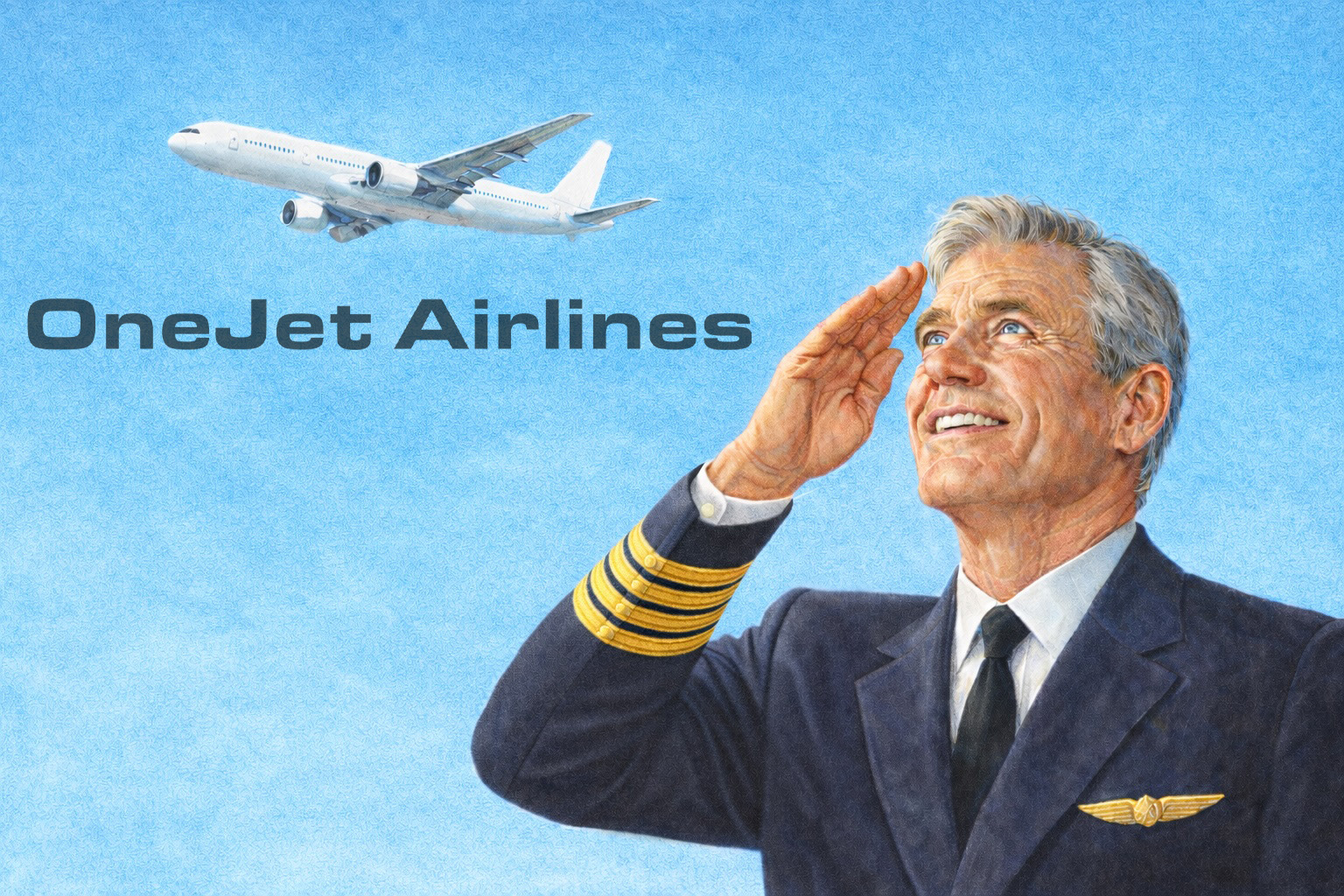
Allow me to introduce you to Captain Norman Hamm, who has the most important atribute needed for a captain flying heavy iron for a major airline: he looks like an experienced and competent pilot. When passengers see him board the jet, they are filled with confidence. They pay top dollar for the privilege of flyng a top of the line aircraft, the long-haul Boeing 777, from the U.S. to Japan, Hong Kong, or Australia. It only follows that the captain is worthy of that confidence. Of course we professional pilots know the truth. Sometimes that confidence is justified. Sometimes it isn't. Here's a look at one of his recurrent training simulator sessions:
Norman eased the thrust reversers to fully closed and brought the simulated airplane to a stop. He let out the breath he had been holding.
“Very nice, Norman,” Arnie Beach said from his instructor position aft of the two pilots. “Give me a few minutes to reset back here.”
“Nice job, captain,” First Officer Vicky Parsons said from the right seat. She had been a competent first officer so far, never missing a beat in her “pilot monitoring” duties. Norman stretched his torso in his seat and swiveled his head back and forth. The Category III ILS was thought to be the hardest approach to fly, since the minimums were the lowest. The pilot had to see the runway from 100 feet with the visibility down to only 600 feet. But as far as Norman was concerned, it was the easiest. His eyes were very sharp and if it was possible to spot the runway at those minimums, he would spot the runway. Provided, of course, he was on course and on glideslope. But that was up to the autopilot. Easy.
“Reset the flaps and trim, get us some numbers for the next takeoff,” Norman said, now taxiing the aircraft along the parallel taxiway at Seattle Tacoma International Airport, SeaTac. Vicky busied herself with her tasks, paying no attention at all to the outside world. One of those “sim-isms,” things you do to make the sim go easier, but you would never do in the real world.
“Ready,” she reported.
“OneJet Trainer, Seattle Tower,” the instructor said, “cleared for takeoff.”
“Before takeoff check,” Norman commanded.
“Flaps are set, V-speeds are 150 V1, 165 VR, and 175 V2, cabin reports ready, before takeoff checklist complete,” Vicky answered.
“Here we go,” Norman said, pushing the throttles forward.
After twenty years of simulator Kabuki Theater, Norman could accurately predict the events to follow. At V1, “vee one,” decision speed, one of the two engines would blow up, catch fire, compressor stall, or simply stop working. The aircraft’s automatic rudder system would correct most, but not all, of the adverse yaw. Norman would feel the rudder pedals deflect and add more rudder to keep the aircraft on runway centerline. At VR, rotation speed, he would pull the yoke back about 3 degrees per second to about 12 degrees nose high. He would call “positive rate, gear up,” and the first officer would raise the landing gear handle. At that time, he should have nailed V2, safety speed, and climb out to a suitable altitude to bring the airplane around for a single-engine approach and landing. The first officer would be busy with all sorts of checklists while he just flew the airplane. This being just another act in the play, the simulator instructor would speed things along by dumping excess fuel and lowering the weather to minimums.
Things continued according to script, and Vicky finished the last of her chores, announcing, “left engine is secured, approach is set up, checklists are complete, captain.”
“Call ready.”
“Seattle, OneJet Trainer ready for the approach.”
“OneJet, Seattle, turn left heading zero three zero, maintain two thousand four hundred until established, cleared the ILS 34 Left approach.”
Vicky started to answer when a chime announced the next problem and the Crew Alerting System displayed the issue in yellow letters: AUTOPILOT.
“You aren’t getting it back,” Beach said in his part of the play. “Don’t worry about troubleshooting it. Just fly me a nice approach.”
Norman tightly gripped the control yoke and throttles. The flight director consisted of vertical and horizontal crossbars that showed where the pitch and bank should be. A cross bar to the left, for example, means more left bank is needed. Once the correct amount of bank is achieved, the crossbar centers, telling you to maintain that bank angle. Norman’s crossbars were centered, with the wings level and the pitch just a few degrees above the horizon marker. Everything was where it needed to be. For now.
“We weigh five-fifty-four,” Vicky reported. “VREF is 155. You will need flaps thirty for this, captain.”
“Roger,” Norman said, trying to hide his nervousness. At 554,000 lbs., the airplane was at its maximum landing weight, and their approach speed would be very fast.
“With autothrottle working, captain,” Vicky announced, “your approach speed is 160. No gust correction needed.”
“Roger,” Norman said.
“Course is alive,” Vicky said, as the localizer course moved off the right extreme of its possible movement, “the wall” of the instrument.
Norman ignored the flight director’s crossbar command to keep the wings level a little longer and dipped his left wing down while relaxing the pressure of his right foot on the right rudder pedal. The wing overshot Norman’s intended bank angle of 25 degrees to about 35 degrees of bank. He rolled out on the correct heading, but the course was still to his right. Course accuracy was measured in “dots,” two on the left and two on the right. Dots translated to angles that the pilots didn’t need to know; OneJet rules simply specified that as long as you are within one dot you could start your descent and that half a dot was considered on course. At the lowest altitude, known as “decision height” on a Category III ILS, with the weather at minimums, half a dot wasn’t good enough. You had to have the needle centered.
“Glideslope alive,” Vicky said. “One dot left of course, good enough to descend.”
“Gear down,” Norman commanded. “Three green,” he added after he confirmed three green circles over the graphic depiction of the landing gear on the forward center display. “Flaps 30.”
The autothrottle reacted instantly to the added drag of the landing gear and additional flaps, but Norman failed to decrease his pitch. “Going high, captain.”
“I know, I know.” Norman pushed the nose down, but too much and “going high, captain” turned into “going low, captain.” The cycle repeated until Vicky added, “drifting right, captain.”
Beach knelt forward and whispered into Norman’s ear, “Smaller corrections.”
None of that registered and once they got to decision height, the aircraft was more than a dot left of the course, meaning the runway was too far to the right to be seen. Vicky announced, “minimums, go around.”
Norman shoved the right engine forward, only then realizing he had been flying with no right rudder at all since their course intercept. No wonder I couldn’t capture the course!
“Let’s try that again, Norman,” Beach said. “Don’t worry. Remember, smaller corrections!”
After another two attempts, Beach decided it would be better to call it a day. “Just wasn’t your day, Norman. You’ll do fine tomorrow.”
But Norman didn’t do fine the next day, or the day after that. All that was left was the checkride. He came home to a Prime Rib with a double serving of mashed potatoes.
His mood was greatly improved until he retreated to his bathroom and saw that he had forgotten to take his Lisinopril the last two days. No wonder his blood pressure felt high. Norman had never been considered high strung and certainly wasn’t grossly overweight. But his blood pressure had always been borderline until the magic drug was made legal for pilots.
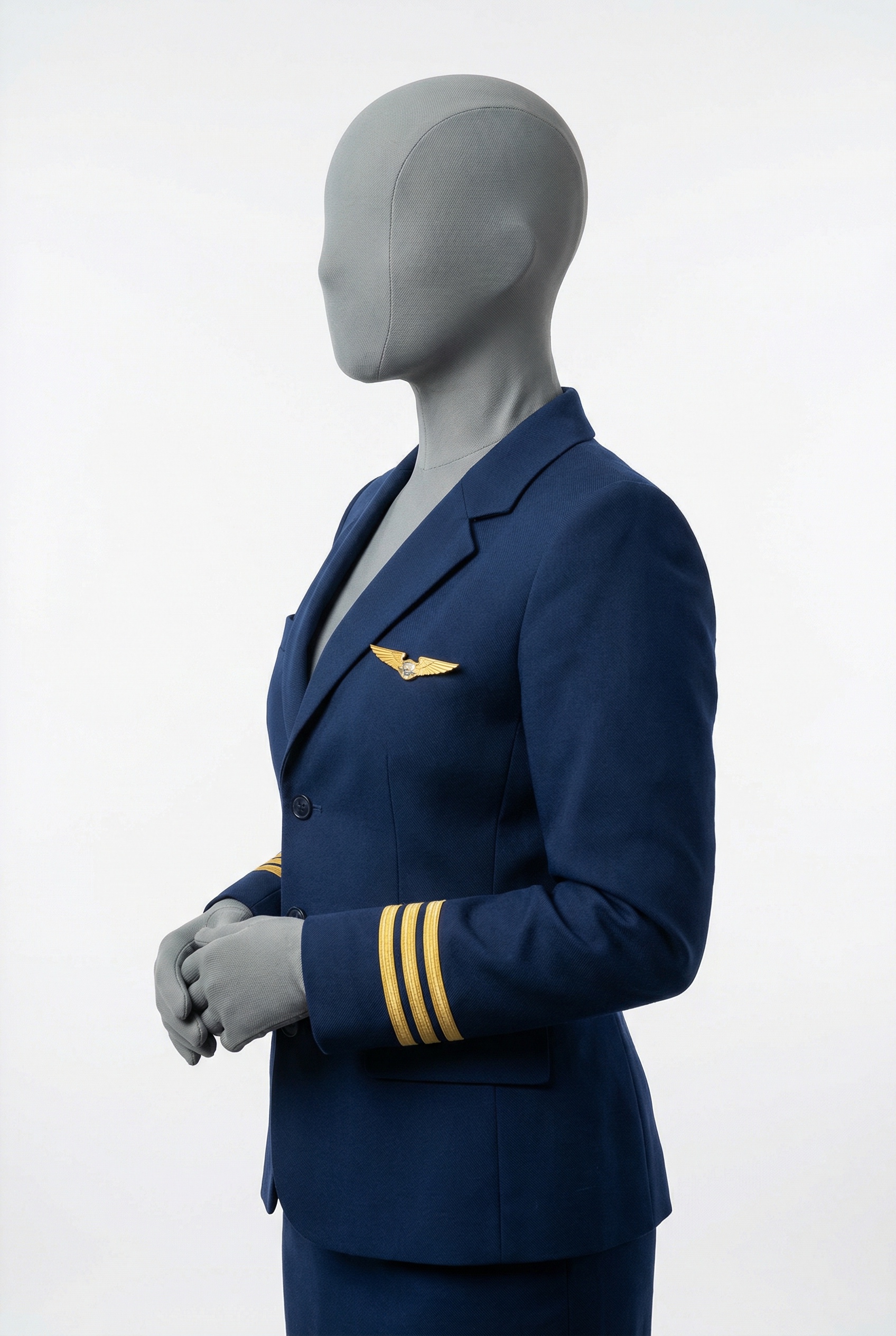
Norman wasn't a bad pilot. But he was thrust into the world of heavy jets early in his career without the necessary experience or training. After nearly twenty years as a captain, his airline started exploring ways to cut costs by reducing the need for extra pilots on its long-haul flights to Asia. Fewer extra first officers meant even more responsibility for the pilots wearing the four stripes of a captain. Reducing the number of pilots on long duration flights? How could they do that?
First Officer Vertie
For those without long-distance oceanic pilot experience, like the executives running many of our airlines, having more than two pilots up front represents an annoying extra debit in the operating costs. Sure, let one of the pilots sleep. You still have another pilot awake!
Many airlines and aircraft manufacturers are exploring options to allow single pilot operations during cruise. We already have computers for the automation, we are told, so having a computer with decision-making abilities is a natural next step. But aren't we already there? Computers can fly an ILS to minimums better than humans; making decisions from takeoff to landing. A sudden gust of wind causes the aircraft to sink on glidepath? The automation knows to increase thrust and pitch just the right amount. There are systems out there that can take over from an incapacitated pilot, find a suitable airport with acceptable weather, communicate with air traffic control, fly the approach, land, brake to a stop, and shut down the engines all while keeping the passengers informed. The Cirrus Vision Jet is flying with this technology today. How long before it shows up on an airline's aircraft?
Would you fly halfway around the world on an airline with only two pilots up front? What about just one pilot? Or none? No? What if we cut the ticket price in half? What can go wrong? Lots, especially if the only human pilots on board aren't at their best.
Check Captain Kara Bentley
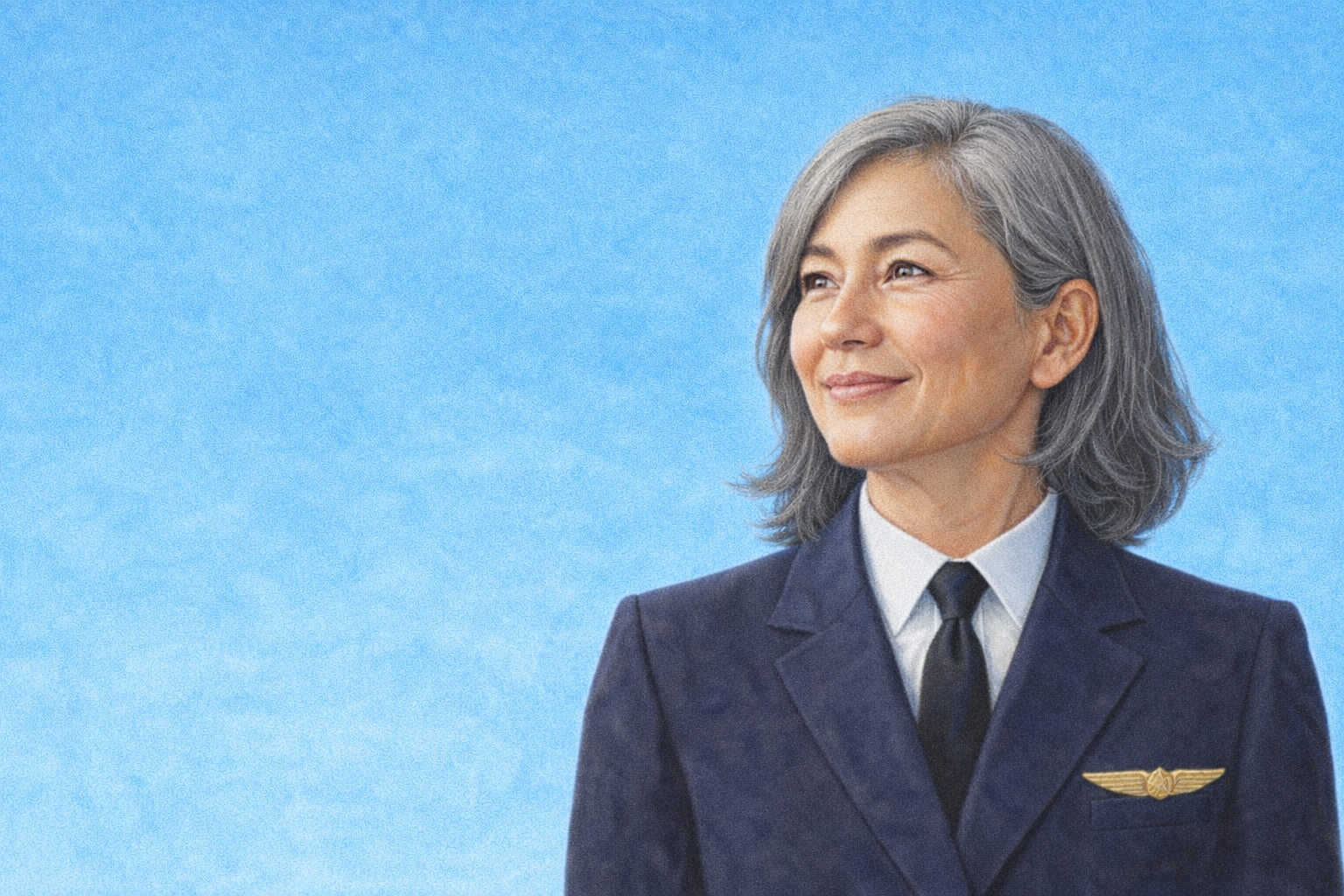
The airline looks for a captain to pioneer the transition to "virtual" pilots but there are no volunteers and the duty falls to brand new Captain Kara Bentley. Kara, an Air Force veteran, brings with her a strict ethos of following Standard Operating Procecdures and turns out to be the perfect instructor, until she starts to have doubts about the program. Her crisis of confidence happens just as she helps Norman Hamm to overcome his crisis of competence.
On sale now!
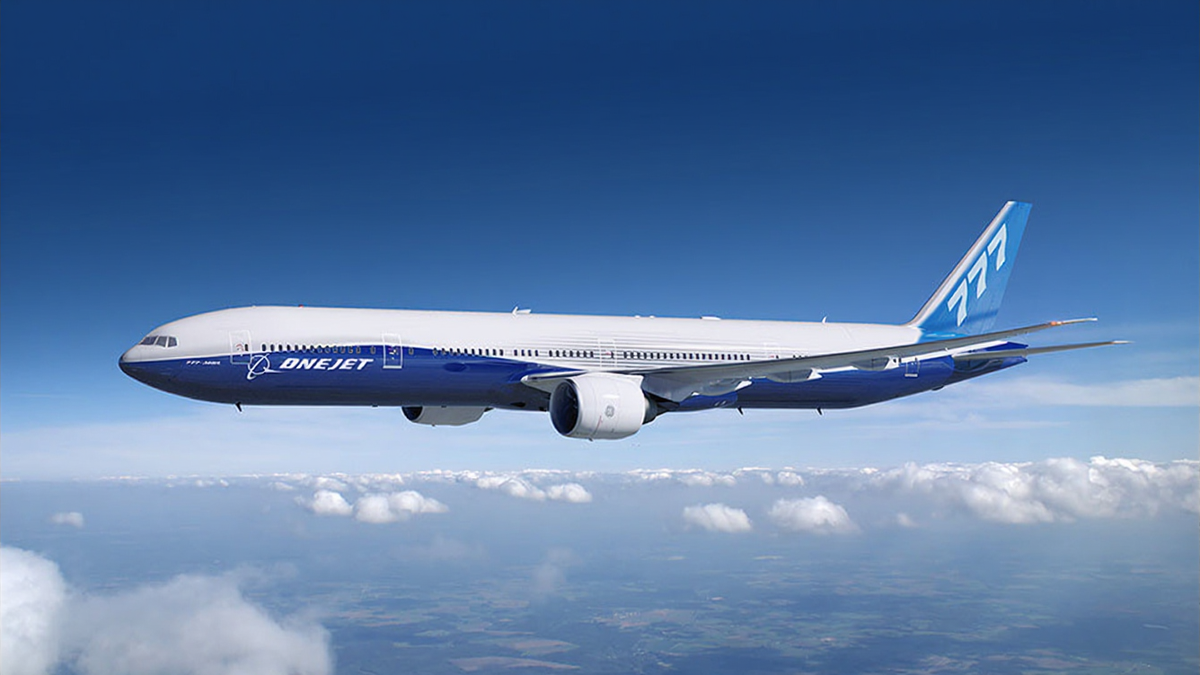
Virtual Copilot is available today at Amazon and other fine online book retailers, in paperback and eBook: Amazon.com / Virtual Copilot.
This website and the weekly newsletter are brought to you by Amazon and the other fine retailers: Amazon / author / James Albright.