In 2023 I was awarded a set of wings from Ops.Group, enshrining me in the highly select group of the International Federation of Okay Pilots (IFOKP). It was quite an honor that very few professional pilots can ever dream of attaining.
— James Albright
Updated:
2026-10-01
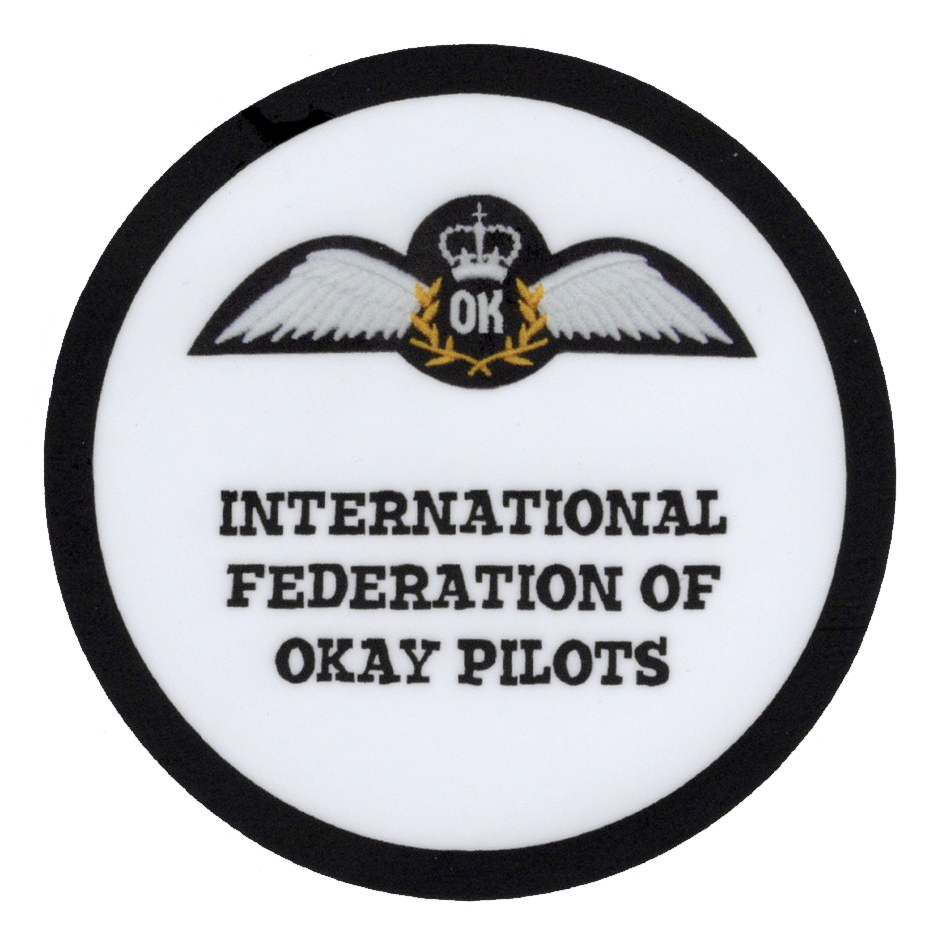
Well, none of that is true, except the 2023 part. What really happened is I was walking by the Ops.Group stand at the NBAA Business Aviation Convention & Exhibition, and Mark Zee recognized me and handed them to me. In fact, you don’t even need the wings. All you need is some self-awareness. As I wrote in a post about pilot wings in general (The International Federation of Okay Pilots), back in 2024:
- An Okay pilot doesn’t profess to be the best (at anything) or even to be better than anyone else. An Okay pilot aims to be a better pilot tomorrow than he or she is today.
- An Okay pilot doesn’t claim to know it all (about anything) or to be an expert. An Okay pilot recognizes there are gaps in knowledge and studies hard to fill those gaps.
- An Okay pilot doesn’t say he or she is right about everything (or anything) or is an authority on any topic. An Okay pilot is willing to admit being wrong today in an effort to be right tomorrow.
While I feel honored to have garnered my Okay pilot status from Mark Zee, the founder of Ops.Group, let me acknowledge that this is not a fraternity with initiation rites and an exclusive membership list. All you have to do to become an Okay pilot is to recognize that you are. Welcome, we are happy to have you as one of us!
In the last several years, a series of aircraft accidents made me rethink that list of what it takes to be an okay pilot and perhaps we members of the IFOKP need to add one more qualification. Before I get to that, a sample of the accidents that got my attention:
- On September 6, 2026, the pilots of Amazon’s 21 Air Flight 7598 flew a wildly unstable approach into Miami and overran the runway, striking vehicles on the ground and killing 5 people. The pilots failed to heed at least ten “red flag” moments that should have automatically led to a go around.
- On February 6, 2025, the pilot of a Cessna 208B Caravan encountered severe icing while over maximum gross weight and allowed the airspeed to decay until stall. The NTSB found inadequate airspeed management, degraded situational awareness, and improper control inputs during the stall.
- On February 7, 2024, two pilots of a Clay Lacy Hawker 900XP were selected to do a post-maintenance stall test for which they seemed totally unprepared. They elected to conduct the test in icing conditions, ignoring company rules for VMC and altitude requirements. Neither pilot had ever flown such a stall test, though the PIC witnessed one as an SIC.
What do these accidents have in common? I think a lack of pilot competence is clear for all three. In the case of the Hawker, and perhaps the previous two as well, it seems the company placed the pilots in a situation they were either untrained for or simply didn’t have the right experience to deal with capably. Yes, you can argue that the companies involved deemed the pilots capable of the task. But I would argue that it is up to the pilot to make that final call. In the words of our favorite inspector, Harry Callahan, “A man’s got to know his limitations.” So here is our fourth entry requirement for the IFOKP:
- An Okay pilot realizes that he or she isn’t capable of all things at all times. An Okay pilot needs proper training, experience, rest, and a presence of mind to tackle the challenges of flight.

1
The less you know, the harder it can be to know what you don’t know
All of this begs the question: how? How does a pilot know he or she is ill prepared for the task at hand? I’ve noticed over the years that the most confident pilots tend to be the least justified in that feeling. You may have heard this phrased as the Dunning–Kruger effect, a cognitive bias in which people with relatively low skill or knowledge in a particular area may overestimate their own competence. This is partly because the knowledge required to perform well is also needed to recognize poor performance.
Psychologists David Dunning and Justin Kruger described the effect in a 1999 paper. The basic mechanism is sometimes summarized as a double burden: a person lacks the skill to do something well and also lacks enough expertise to accurately recognize that deficiency. A newly minted private pilot may think he or she has the magical powers to handle any airplane; they have the license to prove it!
There was an episode of the British Broadcasting Corporation’s “Quite Interesting” quiz show that cited a study that placed U.S. private pilots in simulators of airliners to see if they could save the day if both pilots were incapacitated. They fared poorly. I’ve never been able to find the study but the point is made: just because you are a private pilot and a master of your Cessna 172, doesn’t mean you can land a Boeing 777. I’ve seen a few light airplane pilots get their shot in a Gulfstream business jet simulators and they couldn’t get anywhere near the runway unless given very good instructions and multiple tries. None of this is to say they were incompetent pilots, far from it. The point is that they were good pilots who had never been exposed to or trained for another facet of aviation.
2
Unknown unknowns
In 2002, then Secretary of Defense Donald Rumsfeld made a now famous formulation of this problem:
“There are known knowns; there are things we know we know. We also know there are known unknowns; that is to say we know there are some things we do not know. But there are also unknown unknowns—the ones we don’t know we don’t know. It is the latter category that tend to be the difficult ones.”
Rumsfeld was talking about the search for Weapons of Mass Destruction in Iraq, but the idea is universal. In the context of aviation, for example, let’s look at an experienced private pilot with a hundred or more hours in the Cessna 172. (Just enough to get cocky.)
- Known knowns: The private pilot understands pitch, bank, airspeed, trim, landings, navigation, weather, etc. This pilot knows the systems on the Cessna 172 well enough to safely fly it.
- Known unknowns: The private pilot knows there will be much to learn about flying a Boeing 777, such as new systems and the procedures to operate those systems. The pilot knows there are things he or she doesn’t know about the airplane and its procedures.
- Unknown unknowns: The private pilot doesn’t know that there are entire aspects of aviation hidden from his or her view. The need to anticipate momentum / inertia, for example. The behavior of a swept wing in a crosswind versus the straight wing he or she is used to. Entire areas of his or her experience have no applicability to high altitude flight. The list of unknown unknowns is a long one until you’ve built relevant experience.
3
Humility
How do we, we okay pilots, how do we inoculate ourselves from the Dunning-Kruger effect? What is the antidote to protect ourselves from succumbing to those unknown unknowns? I think we’ve already covered it, in a way:
“A man’s got to know his limitations.”
But there is more to it than that. A psychologist will tell you it is “metacognition,” literally, thinking about thinking. For us pilots, it means learning to accurately assess the limits of our own knowledge and ability. The antidote to Dunning–Kruger is competence coupled with an accurate appreciation of the limits of that competence.
Several things help produce that: more experience, good instruction, objective standards, candid feedback, deliberate exposure to situations outside one’s comfort zone, and a culture in which saying “I don’t know” is regarded as professional rather than embarrassing.
4
“Physician heal thyself”
One of the tragedies of many aircraft accidents where the pilot ended the flight with the words, “There goes my career,” or something to that effect. (Southwest Airlines Flight 1455 on March 5, 2000 at Burbank, and Pinnacle Airlines Flight 4712 on April 12, 2007, at Traverse City.) In these and many other cases, the pilots knew what they did wrong after the fact and probably could have given excellent instruction on how not to do what they did, before the fact. But in the end, they failed to live up to their own standards.
Perhaps they failed to go around from that unstable approach because, in their minds, they are extraordinary pilots and extraordinary pilots don’t have unstable approach and therefore don’t have to go around. News flash: there are no extraordinary pilots; an okay pilot has the occasional unstable approach and does go around.
Perhaps they failed to properly execute a stall recovery because excellent pilots, like them, don’t inadvertently stall aircraft and the fact they find themselves in a stall comes as a complete shock. Cue the startle factor. News flash: aircraft can stall for reasons that may surprise an okay pilot, but the okay pilot falls back on training and executes the stall recovery by the book.
Perhaps they look up to the famous pilots in history books and the movies. They could have been Neil Armstrong, if only they had been born in the right era and had the right opportunities. Famous pilots have nerves of steel and hands of gold. News flash: even an exceptional pilot needs the humility of an okay pilot to become exceptional. Perhaps pilots with a hunger for fame need a new set of heroes. Allow me to help.
5
A sampling of okay pilots you can read about or watch on YouTube
These are pilots that I know, or have written books that I’ve read, or have channels on YouTube that I enjoy. The list is by no means complete. But it is a start.
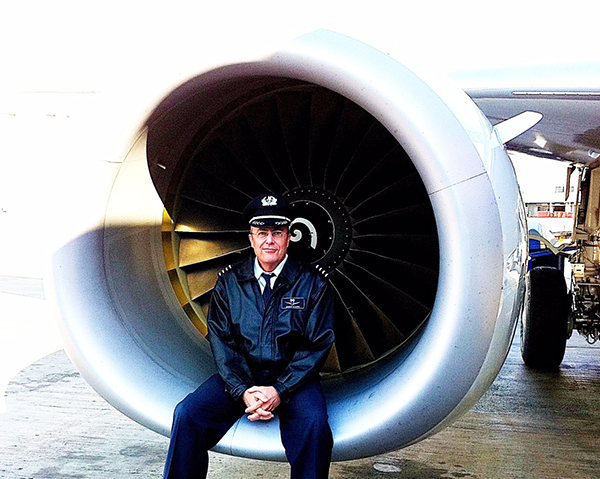
Chris Manno is a retired U.S. Air Force and American Airlines pilot, author, and educator. A graduate of Virginia Military Institute, he earned his Air Force wings and spent six years flying in the Pacific and Asia, including the EC-135J from Hickam AFB, Hawaii. He left the Air Force for American Airlines in 1985 and spent 35 years there, 29 of them as a captain. His airline flying included the MD-80, DC-10, Fokker 100 and Boeing 737, and he also served as a check airman and instructor/evaluator. Alongside flying, Manno earned a master’s degree and later a Ph.D. in English from Texas Christian University, where he taught writing. He has written extensively about aviation through The JetHead Blog and numerous books, including the autobiographical An Airline Pilot’s Life. When I first met Chris in 1982 he had an irreverent sense of humor about all things except aviation, which he took very seriously. I consider Chris my mentor when it comes to writing and we collaborated on “Whiskey Air.” You can find Chris’ extensive library on Amazon, amazon.com/author/chrismanno.
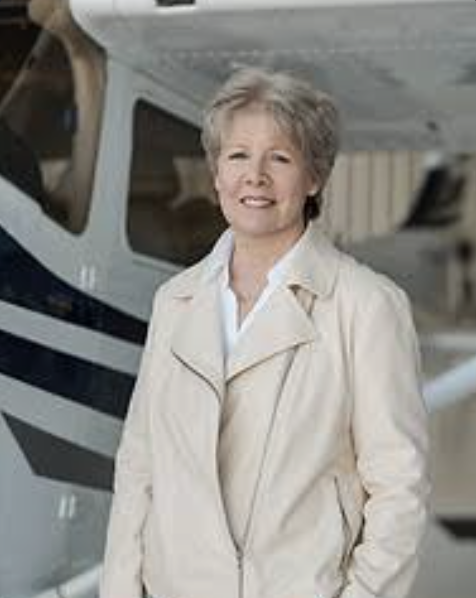
Heidi Porch is a retired Northwest/Delta Air Lines captain whose aviation career began with gliders and light airplanes. She started flying at 16 and, while building experience for an airline career, ferried single-engine Cessnas across the Pacific to Australia and New Zealand. In 1984, while ferrying a Cessna 182 from California toward Hawaii, the engine failed more than 500 miles from land. She successfully ditched in the Pacific, spent more than nine hours in a life raft, and was rescued by a Soviet ship. Porch subsequently built a 35-year airline career with Northwest and Delta, flying aircraft including the DC-9, Airbus A320, Boeing 747-400 and Airbus A330, eventually serving as an A330 captain. She also flew the Gulfstream G500. After retirement she recounted her early flying career and the ditching in her memoir, “Ditching the Sky,” which I’ve reviewed here: Ditching the Sky. Her book is available on Amazon.

Ivan Luciani is a Venezuelan-born corporate pilot, author and aviation manager whose professional flying career spans more than four decades and more than 12,700 flight hours. His career took him from Venezuela to Asia, where he flew and managed business-aircraft operations in Singapore, Macao and Hong Kong. He is the author of An Aviator’s Journey: Tales of a Corporate Pilot and Journey Around the World: A G650 Pilot’s Perspective, available on Amazon: amazon.com/author/ivanluciani. Ivan describes becoming a professional pilot not as reaching some exalted level of mastery, but as receiving a “license to learn.” His analogy is that at 250 hours you’re only learning to crawl; considerably more experience is required to walk and eventually run. Ivan wrote of his own career that there were often “more downs than ups”, and attributes eventually reaching his goals to determination, perseverance, continual learning—and explicitly, luck.
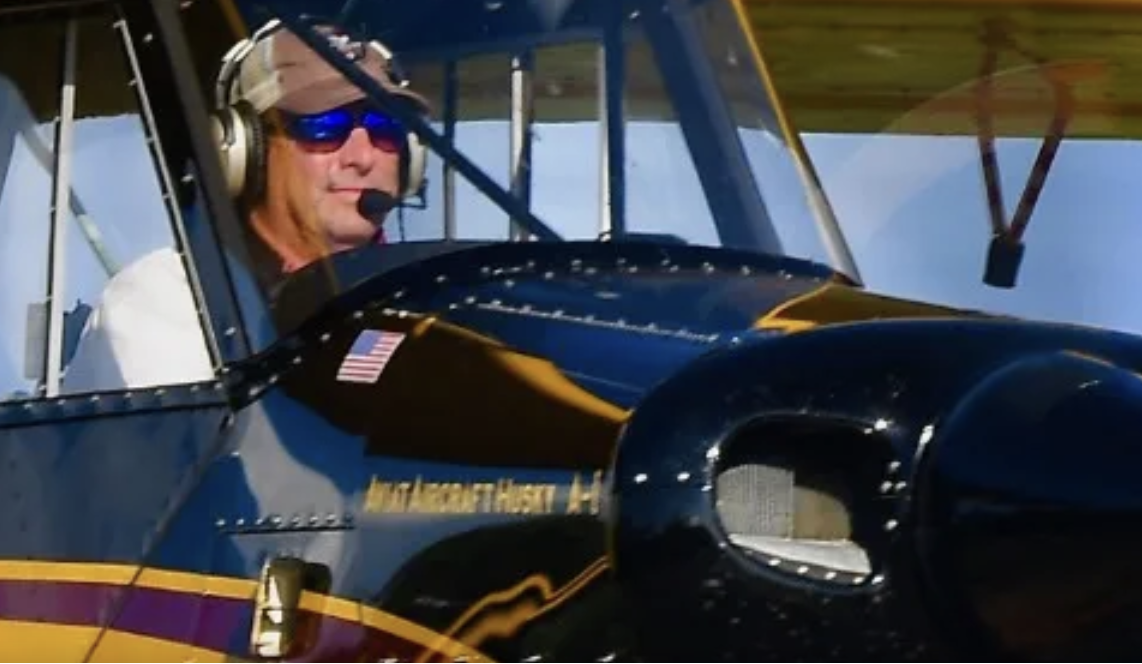
Juan Browne is a career military, airline, and general-aviation pilot and aircraft mechanic. He began flying as a teenager—buying his first airplane at 15—and earned his A&P certificate after high school. After college on an Air Force ROTC scholarship, he attended UPT at Williams AFB and became a T-37 instructor pilot at Mather AFB. He subsequently flew the C-141, becoming an aircraft commander and flying worldwide missions, and later flew C-130s with the Nevada Air National Guard. Browne went on to a major-airline career, including international flying on the Boeing 777. He has also flown firefighting operations and remains an active general-aviation pilot and aircraft owner. He is best known publicly as the creator of the Blancolirio YouTube channel, https://www.youtube.com/@blancolirio , where he discusses aviation accidents, safety and flying. I think you might summarize his flying career as someone who spent a lifetime simply flying whatever needed flying—trainers, transports, C-130s, firefighting aircraft, airliners, Cubs and other GA airplanes—and fixing airplanes as an A&P.
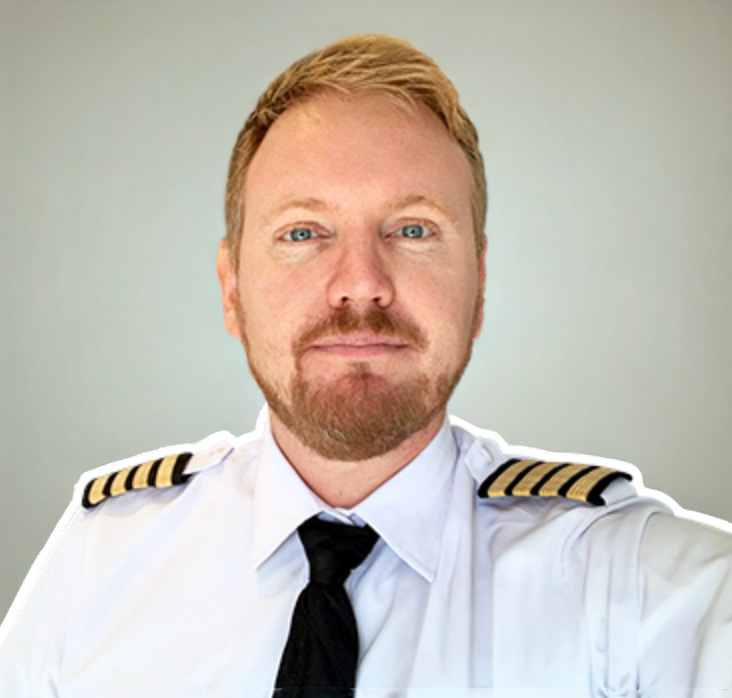
Petter Hörnfeldt is a Swedish airline captain, instructor and examiner best known as the creator of the Mentour Pilot YouTube channel: https://www.youtube.com/@MentourPilot. Inspired by a Cessna 172 introductory flight at 14, he entered Sweden’s government-sponsored professional pilot training program and began flying the Boeing 737 commercially in 2002. He became a captain at 25 and subsequently served as a line-training captain, Synthetic Flight Instructor, Type Rating Instructor (TRI) and Type Rating Examiner (TRE). He accumulated more than 10,000 hours on the 737 while training and examining other airline pilots. In 2015 he created Mentour Pilot, initially to explain the airline profession and mentor aspiring pilots; the channel subsequently evolved into detailed examinations of accidents, incidents and aviation safety. One of his sayings parallels one of mine: “You never really understand an aircraft or the procedures you fly until you have to teach it to others!”
Ron Rogers was a U.S. Air Force pilot and flight-test pilot who flew the T-37 and T-38, including test work that occasionally took him well outside the routine. You can see his videos on YouTube (https://www.youtube.com/watch?v=Q7di5Z5TAoY) where you will see his brand of humor and humility. For examples, in Rogers’s own account of interviewing at United, he tells the story of losing the T-38 canopy during a maintenance test flight approaching 500 KIAS and Mach .98. He says he didn’t appreciate at the time how dangerous it had been; decades later, after reading Bob Hoover’s discussion of canopy separations, he realized why the senior pilots had reacted so seriously. United hired him.
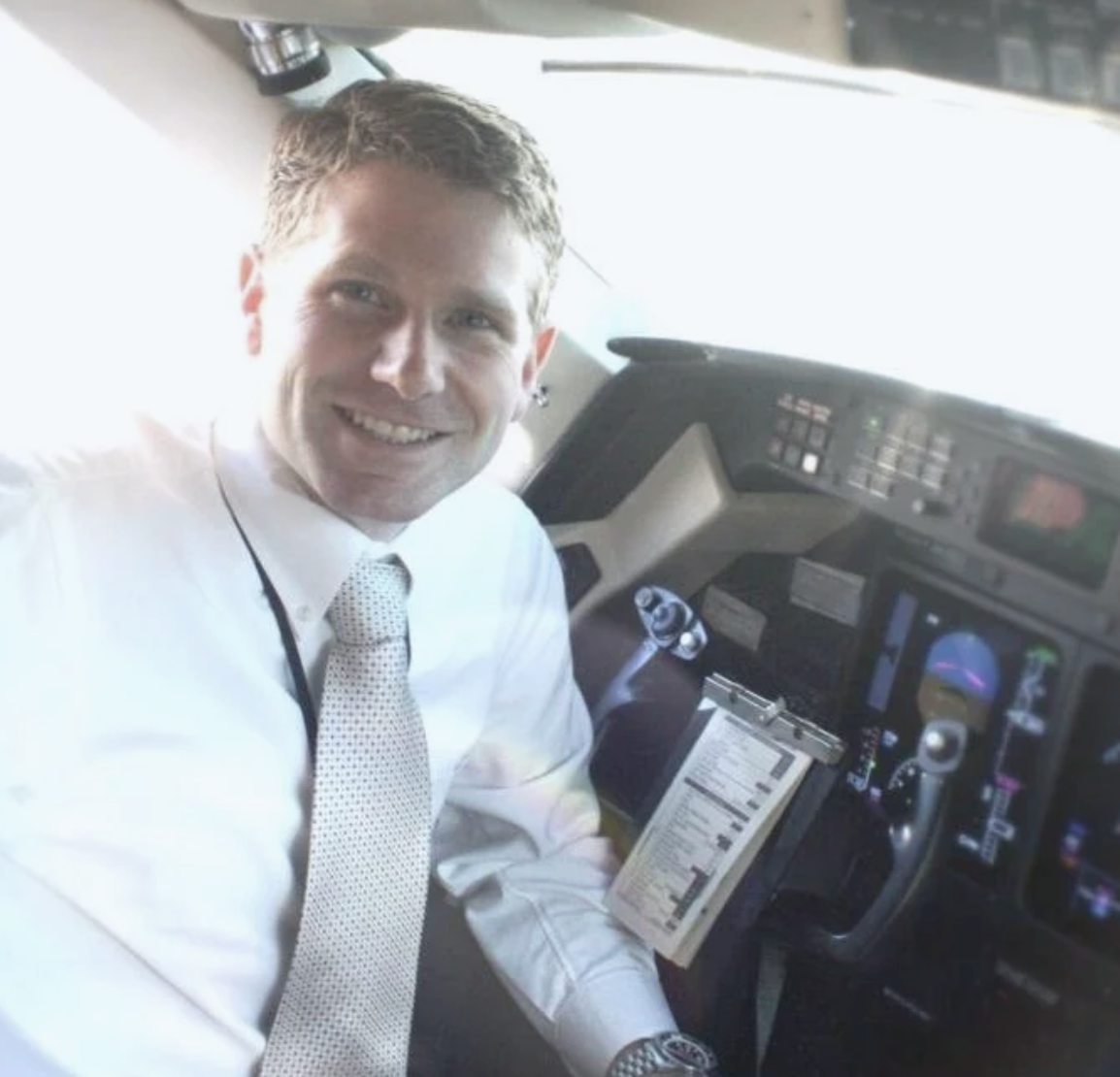
Steven Foltz is a longtime Gulfstream captain with more than two decades of experience flying Gulfstream aircraft. He is the webmaster and a principal contributor to Code 450, the Gulfstream-specific companion site to Code7700. Foltz has developed extensive training and reference material for Gulfstream pilots, including detailed G450/G500/G550 study notes, and writes on operational subjects ranging from avionics and aircraft systems to datalink procedures and cold-weather operations. His approach to aviation is perhaps best summarized by his own Code450 biography: despite more than 20 years flying Gulfstreams, he considers himself “always learning” and tries to pass along what he has learned from his own mentors.
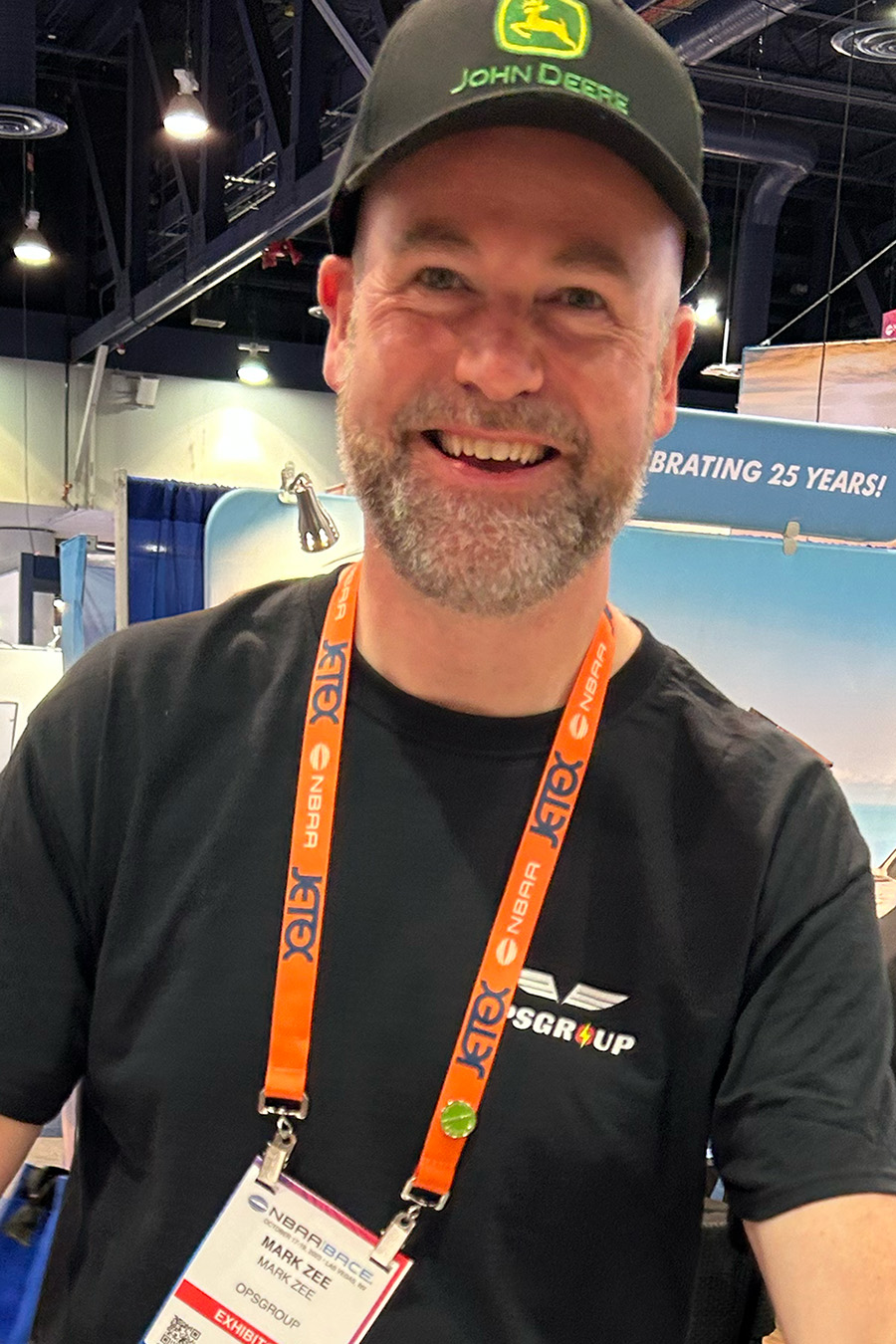
Mark Zee is a pilot, former air traffic controller and flight dispatcher, and the founder and CEO of OPSGROUP (ops.group), an international community devoted to sharing operational information among pilots, dispatchers, controllers and other flight-operations professionals. A former airline pilot, Zee’s experience includes international airline operations in Europe; he has described flying a Fokker 100 from Vienna toward Russia and Ukraine in 2014 as one of the experiences that eventually shaped his thinking about aviation risk. Following the destruction of Malaysia Airlines Flight 17, he became particularly interested in the failure of the aviation community to effectively share information about emerging hazards. OPSGROUP grew from that philosophy: individual operators collectively sharing what they know about airspace risks, changing procedures, NOTAMs and the practical problems of international flight operations. And most importantly for our purposes here, Mark is the creator of the International Federation of Okay Pilots. If you see an Ops.Group stand at an aviation conference, ask for him. Maybe he will hand you your very own set of IFOKP wings.
Of course, the list is very long, though not famous. Most okay pilots fly under the radar, beyond the spotlights. Every now and then circumstances shine on them, and the results are usually impressive. Just a few more:
6
Notice a pattern here?
Chris Manno, Heidi Porch, Ivan Luciani, Juan Browne, Petter Hörnfeldt, Ron Rogers, Steven Foltz, and Mark Zee aren’t examples here because they’re merely competent and drama-free. Their résumés are far too accomplished for that description. They’re examples because, despite all that experience, they exhibit the habits embodied by those deliberately unimpressive wings: keep learning, don’t pretend to know everything, share what you’ve learned, and just get the job done.